Every parent who has hosted a winter birthday knows the dance. You need an outlet for kid energy, but the park is icy, the living room is too small for 15 first-graders, and every trampoline arena within 20 miles is booked. After a decade of planning cold-weather parties for my own kids and helping friends do the same, I’ve landed on a solution that consistently works: indoor bounce house rental. It turns cabin fever into belly laughs, fits a wide range of ages, and scales for small family gatherings or big friend groups. Done well, it’s safer than you’d expect, cleaner than the ball pit at the mall, and kinder on your budget than many venue packages.
The trick is understanding a few specifics: how to pick the right inflatable bounce house for your space, what safety looks like indoors, what to ask a local bounce house company, and how to build a party flow that keeps kids engaged without chaos. Winter adds a few wrinkles, like garage heat and entryway logistics, but those are easy to solve with a little planning.
Why winter changes the party equation
Cold weather narrows your options. Outdoor parks are off the table. Restaurant party rooms sound convenient, but most cap you at 90 minutes and push you through a rigid schedule. Museums and activity centers can be great, though they’re often crowded on weekends and the noise level climbs fast. When the birthday star wants active play and you want to keep things contained, indoor bounce house rental offers a rare combination: free movement, soft landings, and a defined play area that doesn’t take over your whole house.
There’s also that post-holiday budget hangover. A private facility can run high. A single inflatable from a reputable local bounce house company is usually more affordable, especially if you provide your own snacks and décor. The spend goes toward something kids actually use, rather than room rental fees or add-on packages.
Spaces that work, even when you think they won’t
People assume you need a gymnasium to host a birthday party bounce house. Not true. I’ve seen successful setups in a two-car garage, a cleared-out basement, a church multipurpose room, and even a school cafeteria booked for two hours. The key is matching the jumper rental to the room, not the other way around.
A two-car garage often gives you a footprint of roughly 18 by 20 feet with a usable ceiling height somewhere between 8 and 10 feet. That can accommodate a compact bouncy castle rental designed for indoor use. Many models list their minimum clearance height and width, and indoor versions have lower profiles and sturdier walls that don’t need as much headroom. Basements can be tricky because of support beams and ductwork, but a smaller kids party inflatable that sits around 7 to 8 feet tall can still fit if you’re careful with placement.
When space is tight, you want fewer bells and whistles on the unit. Skip tall turrets, giant arches, and big decorative toppers. Focus on a flat jumping floor, netted walls, and a modest entrance ramp. I’ve hosted a dozen 6-year-olds on a 10 by 10 inflatable with a strict rotation and it worked beautifully. The kids spent their time moving, laughing, and taking turns, which matters more than square footage.
Indoor safety that’s practical, not paranoid
Indoor inflatable play looks safe because everything is padded, but the safety comes from how you run it. A good local company will walk you through best practices, and it’s worth listening.
First, choose the right size and weight rating for your age group. Manufacturers list a maximum number of kids and a maximum combined weight. For early elementary ages, I limit the group to 5 or 6 inside at a time if the unit is compact, and I keep an eye on roughhousing. For mixed ages, I designate separate turns: younger kids go together, then older kids, to keep the bounce styles compatible. This simple separation prevents most tumble collisions.
Second, mind the floor. Indoors, you don’t have stakes driven into grass. You’ll rely on sandbags, indoor-rated tie-downs, and friction mats. Ask your provider to bring non-slip mats for the entry and exit. Clear at least three feet around the unit on all sides. If you’re on smooth concrete, like a garage, roll out interlocking foam tiles beneath the entrance so socks don’t become skates.
Third, watch power and airflow. Every inflatable depends on continuous airflow from a blower. The cord should run along a wall, taped down, and plugged into a dedicated outlet if possible. Avoid space heaters on the same circuit. A tripped breaker during active play is more than an inconvenience, it can partially deflate the unit while kids are inside. I’ve adopted the policy of keeping the blower on its own circuit and using battery-powered lights or heaters placed well away from the blower intake.
Lastly, designate one adult as the “gatekeeper.” Their only job is to manage the entrance flap, manage turns, and set the tone. When the gatekeeper says feet first down the small slide, it happens. That single role keeps order and frees other adults to handle snacks, photos, and coats.
Picking the right inflatable for winter birthdays
Indoor bounce house rental is a broad category. What you choose depends on age, guest count, and room geometry.
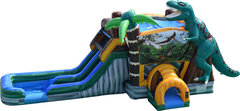
A basic inflatable bounce house is the crowd-pleaser for preschoolers through early grade school. It maximizes floor space for jumping and minimizes the footprint used by slides or obstacles. If you’re hosting fewer than 12 kids total, a compact square with a netted roof gives you the most bang for your square foot.
If your guest list skews older or you have a competitive group, consider an inflatable obstacle course rental, but choose a short, low-profile module rather than the 40-foot monsters you see at school carnivals. Indoor models come in 18 to 25-foot lengths with low climbs, pop-up pillars, and a small exit slide. They create a natural game loop: start, race through, congratulate, and go to the back of the line. That flow prevents crowding inside.
An inflatable slide rental can work indoors when ceiling height allows, though most tall slides are better suited to gyms or community centers. For garages and basements, look for a combo jumper rental that includes a small slide off one side. Kids treat it like an extra path, which keeps traffic moving without increasing the footprint much.
It’s tempting to ask about a water slide rental to channel summer energy in winter. Indoors, water is a no-go. Save it for July in the backyard. Winter parties do better with dry surfaces, grippy socks, and an easy clean-up plan.
If you’re hosting in a larger rented hall, you can give your party an event feel by adding a second piece. A small inflatable game rental like basketball or a skee-ball style inflatable occupies the kids who want a quick break from bouncing, and it spreads out the crowd. The game units use less height than slides and require fewer safety zones.
What to ask a local bounce house company before you book
The quality gap between providers is real. Some operators maintain their gear meticulously, train their installers, and keep clear policies. Others leave you guessing. If you’re booking in winter, you want a company that understands indoor setups and treats cleanliness like a promise.
Ask how they clean their units and how often. A good answer describes an actual process, not just “we wipe them down.” You want non-toxic disinfectants after every rental and a deeper clean on a schedule. Ask about weatherproof delivery practices, because you don’t want a wet inflatable rolled into your garage during a slushy snowfall.
Check their power requirements per unit. Most small inflatables run on a single 1 to 1.5 horsepower blower, drawing roughly 7 to 12 amps. If you add a game station and a combo, you need to plan outlets and avoid running multiple blowers on the same circuit as a heater. Providers who know their gear can advise you on circuit balance with confidence.
Verify their insurance and safety guidelines. Reputable companies carry liability coverage and will offer written safety rules. If a provider gets defensive about either topic, move on. Winter means fewer margin-for-error variables, so you want a partner who respects details.
Finally, ask about delivery timing. In cold months, I prefer early delivery, sometimes the night before, so the team can set up carefully and you can confirm fit. Make sure they provide indoor-safe anchors like sandbags and protective floor covers for entrances.
How to plan party flow that keeps the bounce fun
The best winter parties happen in waves. The biggest mistake is unstructured free-for-all for two hours straight. Kids burn out, small conflicts escalate, and you feel like a referee.
Start with a warm arrival window. As guests shed boots and coats, direct them to a small activity station: coloring pages on a card table, a low-stakes craft, or a simple Lego bin. This decongests the entryway and lets late arrivals slide https://sacramentopartyjumps.com/ in without disrupting play.
Once most guests arrive, open the inflatable with a short, friendly briefing. Name the gatekeeper, call out the rules in positive language, and explain how turns work. I like to start with shorter rotations, around five minutes, and then lengthen them once the kids settle into a rhythm.
Create a mid-party break even if the kids protest. Ten minutes for water, snacks, and a breather protects your inflatable from sticky hands and gives you a minute to check the blower, mats, and outlet situation. If you add an inflatable game rental, open it during the break so kids can split choices. You’ll notice the noise level drop and the smiles return with more stamina.
End with something quieter. Cake and candles naturally accomplish this, but you can also add a story moment for younger kids or a quick awards ceremony for obstacle course times if you used a small course. A calm finish makes the transition to pickup smoother, and it helps your cleanup crew.
Space, heat, and socks: small details that pay off
Winter parties mean wet gear and cold air sneaking in every time the door opens. Put a rug or boot tray right at the entry and a table beyond it for hats and gloves. Provide two baskets of socks, one in kids sizes and one in adult sizes, so nobody climbs in barefoot. Grip socks help on slick vinyl and buy you good will from parents who forgot their pair.
Heat is a balancing act. Garages rarely have central heat, and space heaters help, but you don’t want hot air blowing directly at the inflatable walls or the blower intake. Set heaters at least six feet away from the unit, on the opposite side of the blower, angled to warm the room rather than the equipment. Keep a small thermometer visible. If the space stays between 60 and 68 degrees, kids will be comfortable while moving, and you won’t trip circuits trying to chase 72.
Noise travels. If you host in a basement, warn upstairs neighbors or household members. The blower hum blends into the background, but kid laughter carries. In a rented hall, ask for a room away from thin walls, especially if there’s a fitness class next door. A cheap white-noise machine near the entrance can soften the swell of sound for adults hanging in the snack area.
Cleanliness and germs without becoming the sanitation police
Winter is peak cold and flu season, and parents worry about shared surfaces. You can address this gracefully without turning your party into a clinic. Start by partnering with a company that disinfects after each rental. Ask them to clean on arrival as well. Most will do a quick wipedown at setup, which reassures guests.
Set out hand sanitizer at the entrance to the bounce area and near the snack table. Offer individual water bottles with names written in marker to avoid cup mix-ups. Keep food simple and less messy. Cheese sticks, fruit cups, pretzels, and small sandwiches handle better than frosted cupcakes with freefall sprinkles. Save the showstopper cake for the candle moment, then hand out slices on plates so frosting goes mouthward, not bounce-ward.
Plan a post-party clean. A cordless shop vac zips up crumbs around the entrance in minutes. Keep a trash bin near the exit and a roll of paper towels handy. The goal is a room that looks like a party happened, not a disaster zone.
How indoor compares to backyard party rental in value
Outdoor parties feel cheaper, but they come with hidden costs: larger inflatables, more delivery equipment, weather backups, and extra time padding to avoid dew or rain. Indoor setups favor compact units and shorter event windows, which lowers rental fees. You also sidestep tent rentals, yard prep, and rain plans.
In my area, a compact indoor-friendly bouncy castle rental runs in the 150 to 250 dollar range for a day, while a combo with a small slide lands between 225 and 325. An obstacle course module adds more, usually 275 to 450 depending on length. Prices vary with location and the calendar. Winter weekends can go either way: slower months lower rates, but prime dates in January and February book fast because everyone is indoors.
Food costs drop indoors because you control the menu. Venue packages that include pizza, drinks, and tokens look easy until you multiply by headcount. Buying your own groceries and a simple cake saves a surprising amount, and it keeps the focus on play.
Themes that work in tight spaces
You don’t need elaborate décor to make an inflatable room feel festive. Pick a theme that complements the color of your unit and adds a few easy visual anchors. For a space-themed party, dark tablecloths with silver stars, glow-stick bracelets, and a “mission control” sign above the snack table transform a garage with minimal effort. For a winter wonderland vibe, string white lights around the door frame and use snowflake cutouts. Avoid floor balloons, which roll under the inflatable and become a tripping hazard or a surprise pop.
Music matters more than helium. A small Bluetooth speaker with a family-friendly playlist sets the tone. Keep it near the snack area, not by the blower, and adjust volume so adults can still talk.
When more than one inflatable makes sense
If your guest list climbs above 15 kids and your space allows, adding a second station reduces crowding and waiting. The best pairing is a core inflatable bounce house plus a compact inflatable game rental. Basketball shootouts, connect-four toss, or a mini carnival game unit give non-bouncers something to do without eating vertical space.
If you luck into a taller gym with good clearance, an inflatable slide rental plus a medium square bouncer creates a great rhythm: jump, slide, repeat. Just keep line management simple. One entrance gatekeeper can watch both if you position them so the lines are parallel and the adult can swivel between them.
Weather logistics on delivery day
Winter delivery takes more choreography. Ask the company for a 30-minute call ahead so you can clear the path, salt the walkway, and open a wide door. If the inflatable has to pass through the house to reach a basement, lay down a hallway runner and remove doors if needed. I’ve popped two hinge pins to gain an extra inch and avoid scuffing paint. It goes back on in under a minute.
Have the power plan ready. Show the installer the outlet and the route for the cord. Tape down the run before kids arrive. If you need an extension cord, use the gauge the provider recommends. Many insist on their own cords because they’re rated for the blower draw.
If snow is in the forecast, confirm a backup time. Most local operators are flexible about shifting by an hour to dodge a squall. Clear communication makes everything smoother, and it shows in the installer’s care during setup.
What ages benefit most, and how to make mixed ages work
The sweet spot for a birthday party bounce house runs from ages 3 to 10. Three-year-olds need closer supervision and shorter sessions, but they adore the soft, springy floor and netted security. Ages 5 to 8 hit peak bounce, inventing resilient games like “popcorn” or “freeze bounce” that keep them engaged without increasing risk. Nine and ten-year-olds still enjoy it, especially with an obstacle course or timed competitions.
Mixing ages works when you control the groups. I rotate by age bands rather than strict turns by individual. Five minutes for the younger half, five minutes for the older, repeat. If an older sibling wants to jump with a younger birthday kid, allow it as a special moment with a “gentle mode” reminder. It’s their day.
Teen helpers earn their keep. Give one a whistle and the unofficial title of assistant coach. Kids listen to older kids, and it gives the teen agency beyond scrolling a phone in the corner.
The subtle etiquette that makes parents happy
Parents want two things at a winter party: a sense that their child is safe and a sign you thought about comfort. Label a parent coffee station. Offer decaf and hot cocoa, plus a small tray of fruit for anyone not into sugar blitz. Provide a bench or folding chairs facing the inflatable so guardians can watch easily. Post the simple rules in big print: socks on, no flips, no food inside, feet first on slides. The sign does half the policing for you.
If a toddler sibling shows up, create a mini zone with foam tiles and a soft tunnel or a plush mat nearby. It keeps tiny ones happy and out of the main action. It also stops the polite but stressful conversation about whether a two-year-old can bounce with third graders.
Quick-reference checklist for a smooth indoor bounce party
- Measure your space: length, width, ceiling height, and the narrowest doorway. Confirm power: dedicated outlet for each blower, cords taped down, no shared heaters. Pick the right unit: compact bouncy castle for small spaces, short obstacle module for older kids. Assign roles: one gatekeeper adult, one snack runner, one photographer/timekeeper. Stage the entry: boot trays, extra socks, sanitizer, and a rule sign.
Common mistakes that are easy to avoid
Overfilling the unit is the classic error. Capacity numbers aren’t suggestions. They’re based on surface dynamics and how the vinyl distributes force. Five 6-year-olds can bounce happily in a compact unit. Nine is a chaos multiplier. If you feel torn because the line looks long, shorten turns or add a small side activity rather than squeezing more kids inside.
Another mistake is ignoring airflow. A blower shoved into a corner and covered by a curtain to reduce noise can overheat or starve the unit of air. Leave clear space around the intake and don’t drape décor over it. The steady thrum becomes party background within minutes, and safe pressure is worth the hum.
Food placement trips people up. Keep sticky items away from the entrance. One chocolate-frosted handprint on vinyl becomes twenty in five minutes. Position the snack table at least ten feet from the inflatable, preferably around a corner, and the problem largely solves itself.
Finally, failing to plan the teardown window can rush the goodbye. Let guests know when the bounce time ends and give a five-minute warning. Kids handle transitions better when they’re announced, and it reduces drama for the installer waiting to roll the unit in cold weather.
When an indoor inflatable becomes the whole theme
You don’t need elaborate programming when the main attraction is movement. Still, a few simple games extend the fun. Freeze bounce is a favorite: music plays, kids bounce, music stops, they freeze. For an obstacle module, run relay races with silly add-ons, like wearing a foam crown through the course. Time a few runs, record best times on a chalkboard, and hand out paper medals. Keep prizes simple and non-competitive, focusing on categories like “boldest dive,” “fastest slide,” or “best helper.”
If your family loves story elements, turn the inflatable into a “training base.” Astronaut academy, ninja dojo, superhero boot camp, whatever your birthday kid loves. Make a simple paper badge for each child and a “graduation” moment after cake. The inflatable becomes both prop and playground, and suddenly your decor needs are minimal.
A note on rentals for special needs and sensory considerations
Many kids crave movement but dislike unpredictable noise or crowded spaces. Indoor setups give you control. Ask your provider for a time window to test the blower sound before guests arrive. Create a quiet corner with noise-reducing earmuffs and soft seating. Offer a first jump session with just one or two kids so those sensitive to crowds can acclimate. Post the plan for all parents, so everyone knows there’s room for different comfort levels.
If you have a guest who uses mobility aids, look for a bounce unit with a low, wide entrance and a stable ramp. Extra mats can reduce the step up. Ask the company to show you the safest way to support entry. Small adjustments make a big difference in inclusion.
Why this works, year after year
At heart, winter birthdays succeed when kids can burn energy and parents feel at ease. Indoor bounce house rental checks both boxes. It brings the kinetic fun of summer into a controlled environment, trims the unknowns, and lets you focus on the moments that matter. You learn fast where to place the snack table, how to tape cords so nobody trips, and why a basket of spare socks solves ten problems at once. With each party, the formula gets simpler.
Start with a space you can manage, choose an inflatable that fits, and partner with a company that treats safety and cleanliness with respect. Add a clear plan for turns, a calm break in the middle, and a finale that gathers everyone around a cake. No gimmicks required. The kids will do the rest: jumping, laughing, lining up again, and going home rosy-cheeked, even if there’s snow piled outside the door.